Below are some of the other symptoms associated with this plant.
Child ate elephant ear plant.
Taxonomy and botany.
That is because we are struggling to keep the plants alive over the winter.
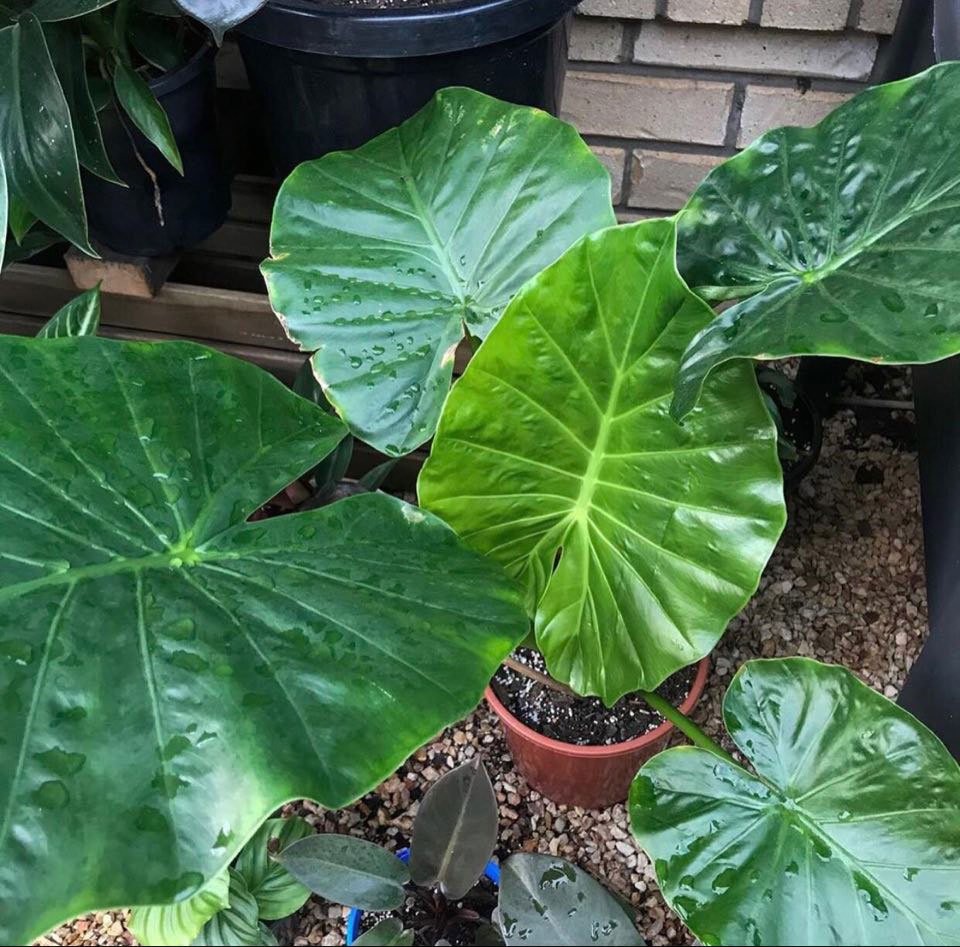
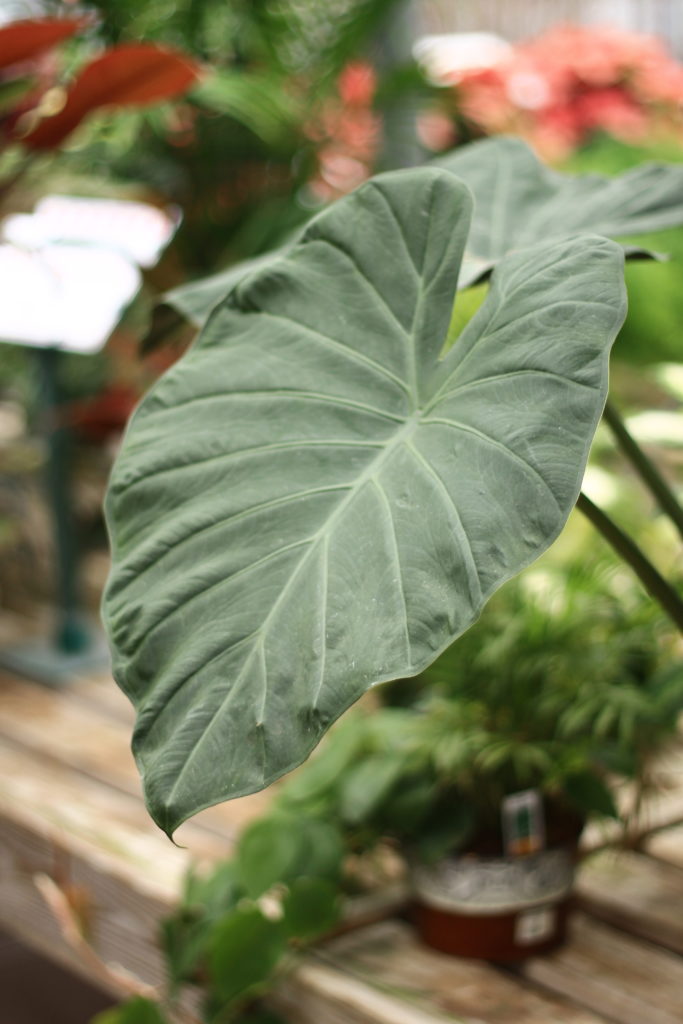
The elephant s ear is a common garden plant which has large heart shaped leaves on long stalks.
Elephant ears colocasia esculenta and alocasia spp are ornamental plants grown from tubers.
We re guessing it s beetles or catepillars.
These plants are considered to be toxic thus can consequently be deadly if consumed.
See more ideas about elephant ears plants elephant ear plant.
Cut the foliage back to about a couple of inches after the first frost in your area and then carefully dig up the plants.
Dieffenbachia dumb cane elephant s ear.
However due to copious amounts of leaves and stems needed to be ingested for a lethal dose it is unlikely to result in a fatality.
Elephant ears cannot survive winter outdoors.
The plant contains calcium oxalate and saphotoxin which can cause poisoning if eaten and irritation upon contact with skin or eyes.
Feb 25 2018 explore katrina hackl s board elephant ear plants followed by 159 people on pinterest.
Department of agriculture plant hardiness.
Severe burning or redness of the eyes severe burning of the tongue lips and mouth swelling of the tongue lips and eyes diahrrea nausea vomiting.
Freezing temperatures kill foliage and damage tubers.
Examples of plants that contain oxalates include.
Colocasia esculenta also known as taro is hardy in u s.
For northern gardeners the question do elephant ears affect nearby plants is not even asked.
We got one of those travel spray bottles and filled it with mostly water and a splash of apple cider vinegar just enough to make the water slightly cloudy and a very light amber color.
If the pain continues contact your child s physician.
Lather the exposed area repeatedly with soap and rinse with warm running water to ease the irritation.
Hi we have a 2 month old elephant ear and noticed the leaves were being chewed on.
A number of cultivars also exist including types with dark leaves for example c.
Otherwise problems with elephant ear plants are rare and the statement making leaves are attractive foils for many other foliage and flowering specimens.
Make sure to carefully monitor pets and especially children around your elephant ear to avoid any potential risks.